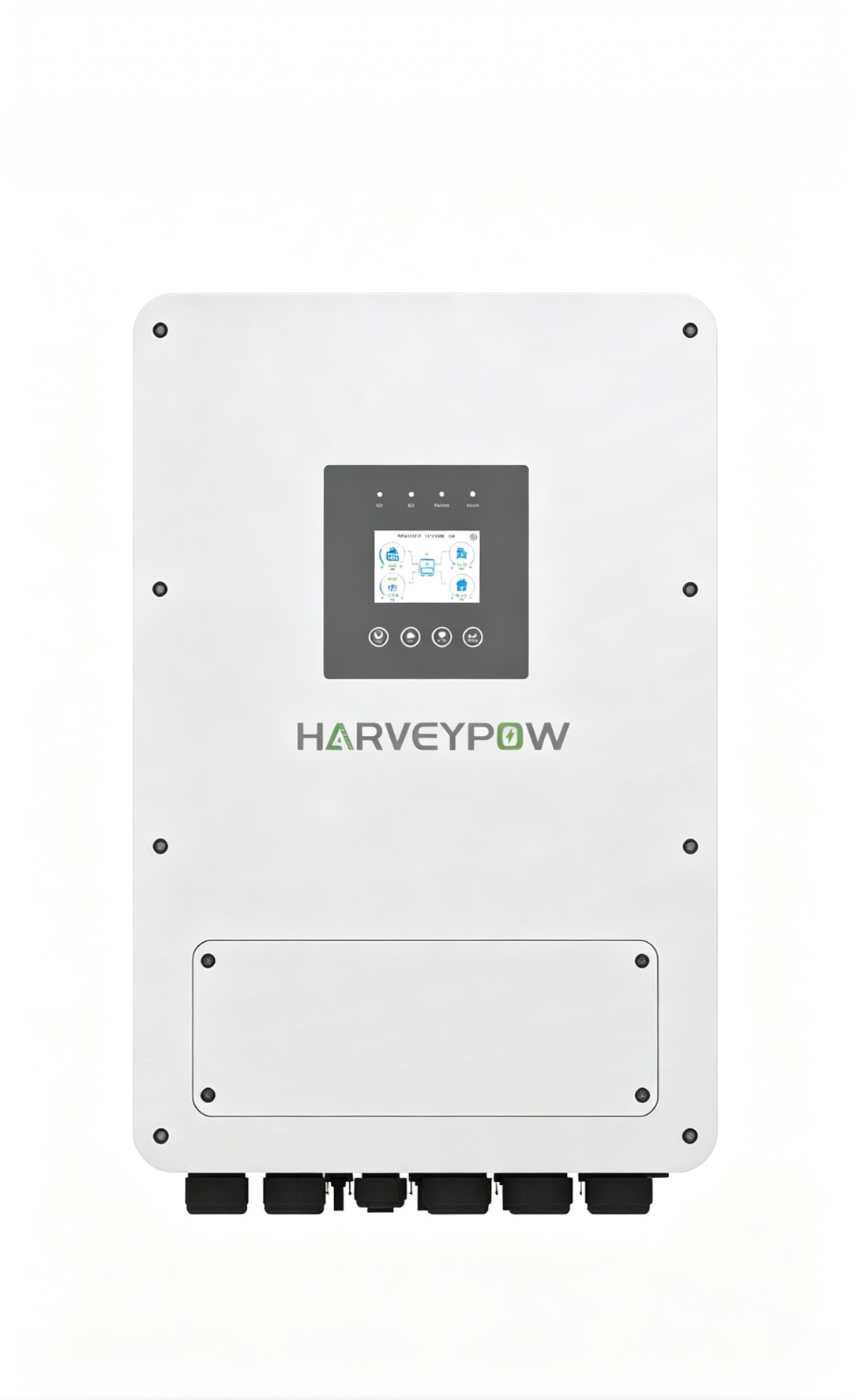
Product Advantages
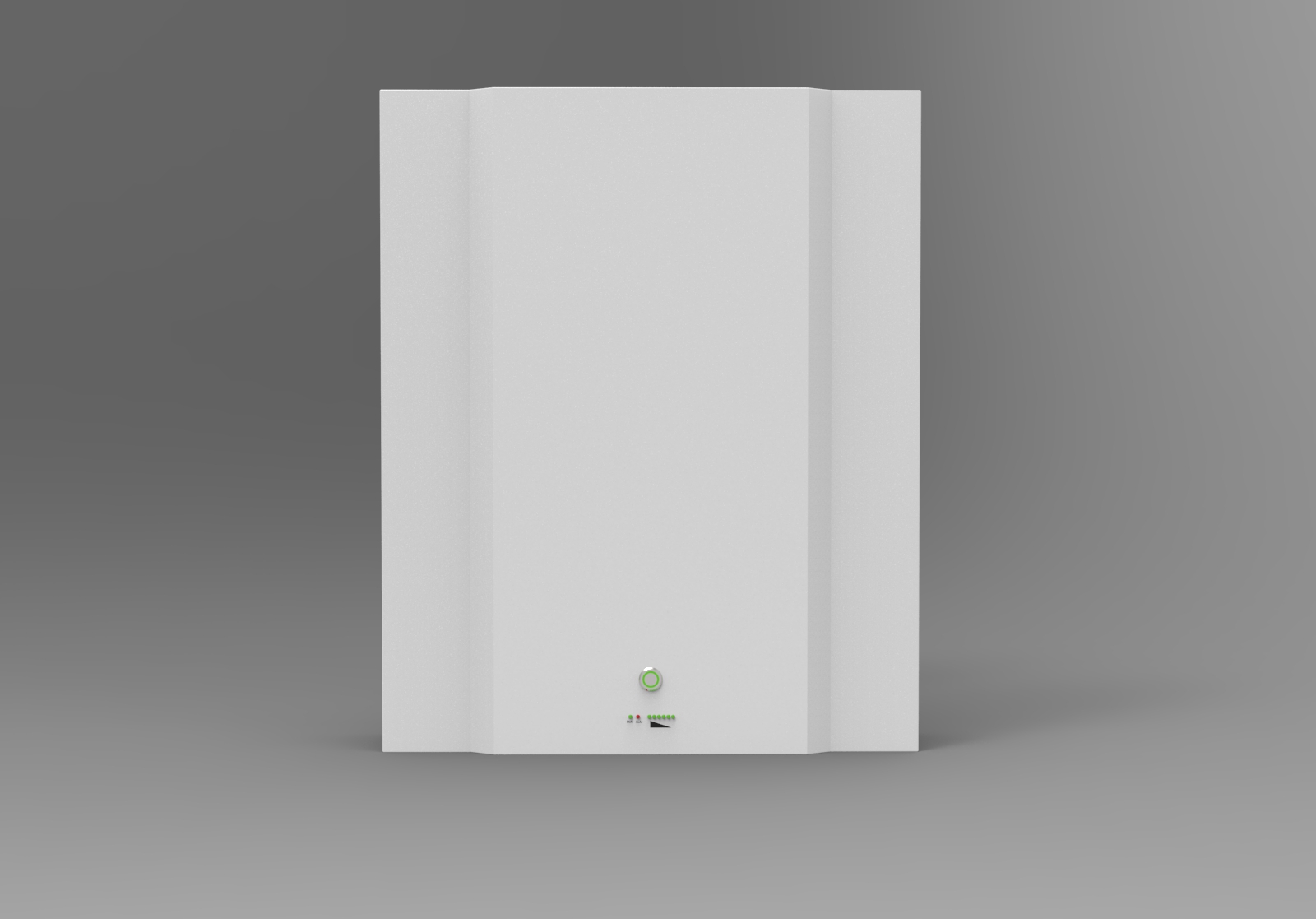
Color touchscreen LCD; IP66 protection rating
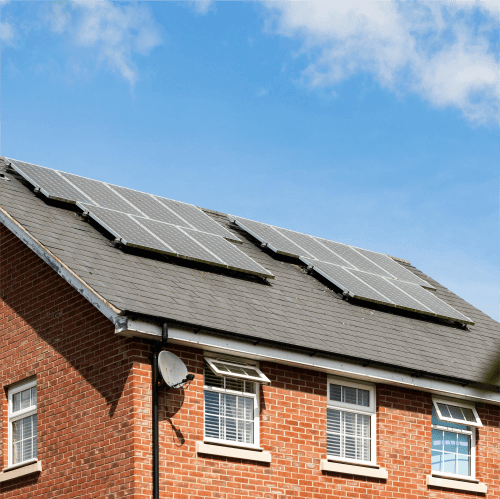
AC-coupled retrofit for existing solar systems
Six time slots for battery charging/discharging
Supports storage of energy generated by diesel generators
| Model | HCC03-SM-0100H-YP | HCC03-SM-0120H-YP |
| PV Input | ||
| Max.PV Power | 20kW | 24kW |
| Max.Input Voltage | 500V | |
| Rated Input Voltage | 350V | |
| Start-up Voltage | 60V | |
| MPPT Voltage Range | 60-420V | |
| Max.Input Current | 40A/40A | |
| Max.Short Circuit Current | 50A/50A | |
| MPPT Number/Max.Input Strings Number | 2-4 | |
| Battery Input/Output | ||
| Battery Voltage Range | 40-60V | |
| Max.Battery Charge/Discharge Current | 200A/200A | 240A/240A |
| Max.Battery Charge/Discharge Power | 10kW/10kW | 12kW/12kW |
| Communication | RS485/CAN | |
| Inverter Output | ||
| Rated Output Power | 10kW | 12kW |
| Max.Apparent Output Power | 10kVA | 12kVA |
| Rated Output Current | 45A | 55A |
| EPS Switch Time | <10ms | |
| Rated Output Voltage/Frequency | L/N/PE 220V/230V/240V50Hz/60Hz | |
| Power Factor | 0.8leading…0.8lagging | |
| THDi | <2% | |
| Grid Input | ||
| Max.Input Power | 15kW | 18kW |
| Max.Input Current | 65A | 80A |
| Frequency Range | 40-70Hz | |
| Input Voltage | L/N/PE 220V/230V50Hz/60Hz | |
| EPS Port | ||
| Max.Output Power(Hybrid) | 15kW | 18kW |
| Max.Output Power(No Grid) | 10kW | 12kW |
| Max.Output Current(Hybrid) | 65A | 80A |
| Max.Output Current(No Grid) | 45A | 55A |
| Smart Port | ||
| Work Mode | Second Load/Generator Input | |
| Max.Input/Output Power | 15kW | |
| Max.Input/Output Current | 65A | |
| Rated Voltage/Frequency | L/N/PE 220V/230V/240V50Hz/60Hz | |
| System | ||
| Display&Operate | LCD&Button | |
| Max.Efficiency | 97.5% | |
| International Protection Code | IP66 | |
| Ambient Temperature | -25°℃~60℃(>45°℃derating) | |
| Humidity | 0-100%(No Condensation) | |
| Cooling Concept | Forced-air | |
| Parallel | 12 sets | |
| Decibels | 45dB | |
| Inverter Main Size(L*W*H) | 400*220*580mm(Excluding Lugs and Terminals) | |
| Inverter Net Weight | 25kG | |
| Project | Content | default parameters | Whether can set up |
| Overcharge Protection | Alarm voltage | 3600mV | Y |
| Protection voltage | 3700mV | Y | |
| Protection latency time | 1.0S | Y | |
| Over-discharge Protection | Alarm voltage | 2800mV | Y |
| Protection voltage | 2700mV | Y | |
| Protection latency time | 1.0S | Y | |
| Charging Over-current Protection | Alarm current | 105A | Y |
| Protection current | 110A | Y | |
| Protection latency time | 1.0S | Y | |
| Short Circuit Protection | Protection current | ≥350A | Y |
| Protection latency time | ≤300uS | Y | |
| MOSFET High-temperature Protection | Alarm temperature | 90℃ | Y |
| Protection temperature | 115℃ | Y | |
| Batteries Temperature Protection | Low temperature charging alarm/protection temperature | 0℃/-5℃ | Y |
| High temperature charging alarm/protection temperature | 60℃/65℃ | Y | |
| The Environmental Temperature Alarm | Low-temperature alarm/protection temperature | -15℃/-20℃ | Y |
| High-temperature alarm/protection temperature | 65℃/75℃ | Y | |
| A Serial Port Communication | Isolated RS - 232 / RS - 485 | / | Y |
| Bluetooth | Bluetooth function | / | optional |
| Charging Current Limiting Function | Charging current limiting current | 20A | optional |
| Display Screen | Display function | / | optional |
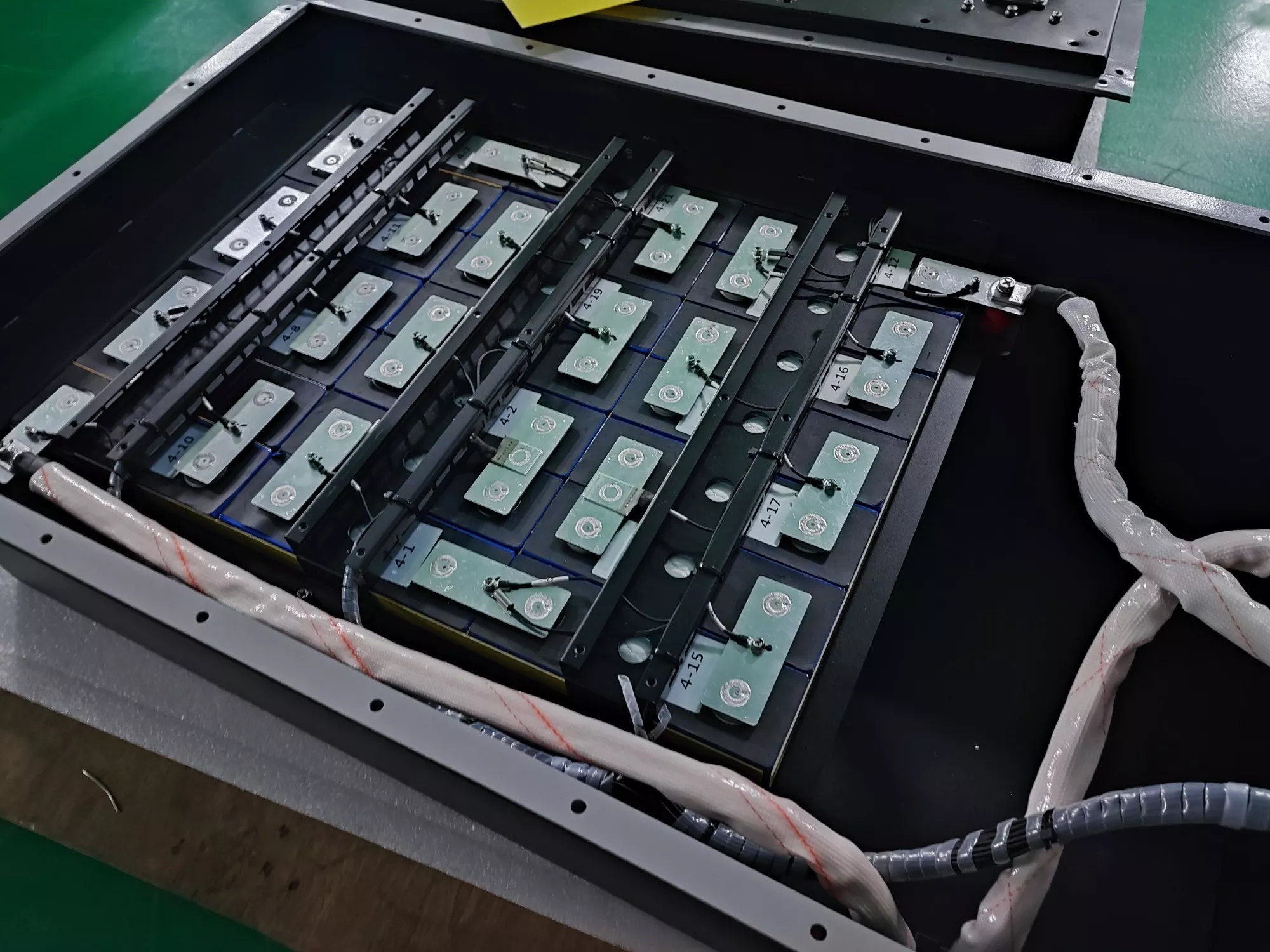
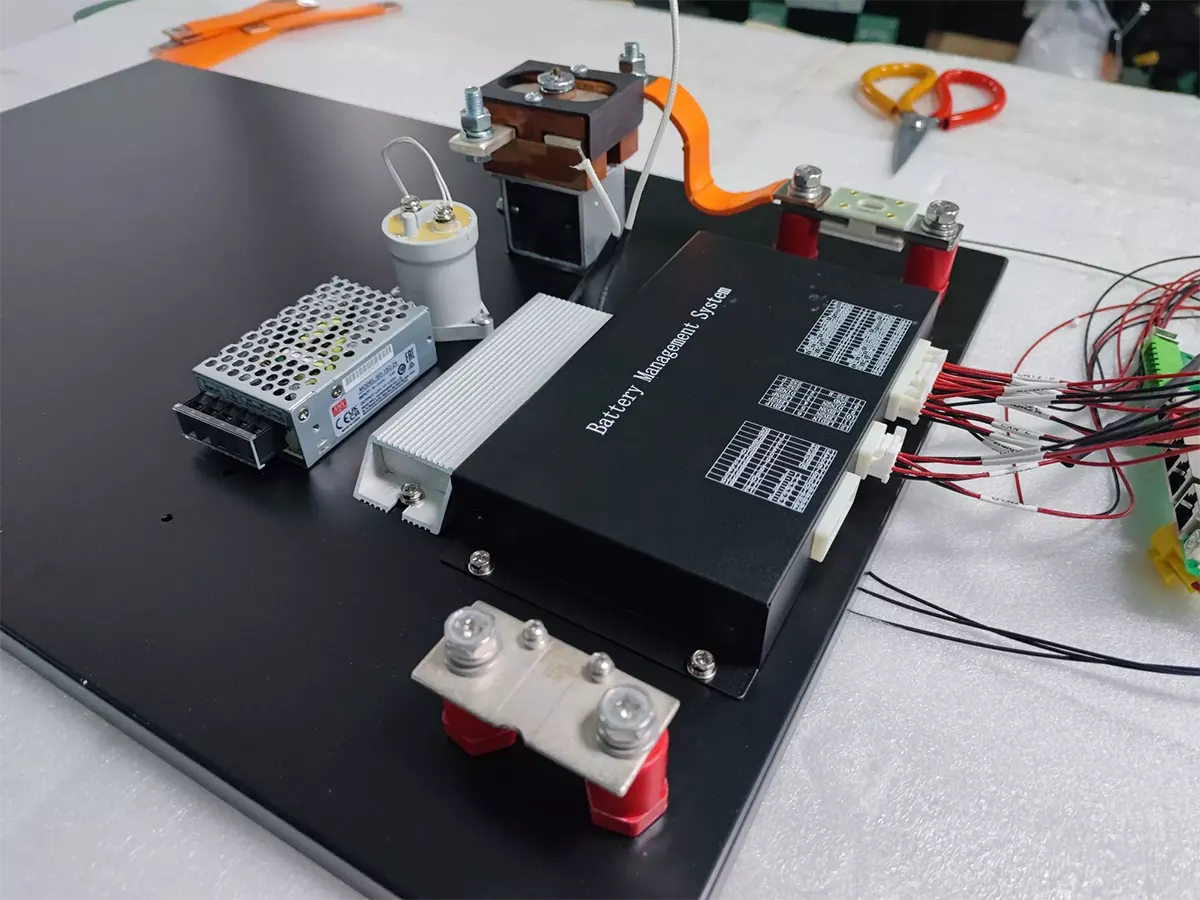

Build an LED display outside the product group to visualize the overall data and status of the battery pack. You can also DIY the operation functions of the display according to your needs.
Not only can we know whether the remaining available capacity of the battery can meet our demand for the total temporary power consumption, but also know when each single battery and battery pack needs to be replaced and repaired.
Yes, and the stackable battery should be stored in a cool, dry, ventilated environment, to avoid contact with fire and heat sources. Batteries should be stacked so that they're stable and won't be bumped, knocked over, or otherwise damaged.
The best storage temperature is 25 ± 5 ℃, the best humidity is 60 ± 15%.
The parallel connection is better, the parallel voltage remains unchanged, and capacity increases.
The voltage is higher current, heat is faster (the battery also has resistance), so the life is short, parallel connection through the two batteries is independent of the current, will not affect the life.